

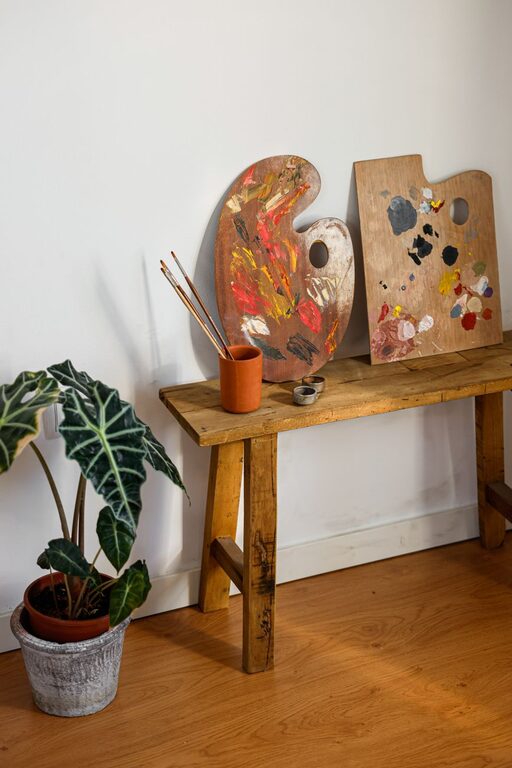
Creating a calm and soothing environment in your home starts with the colours you choose for your walls, furniture, and accessories. Colour has a powerful impact on mood and atmosphere, so selecting calm colours can help transform your living space into a peaceful sanctuary. Whether you are redecorating a single room or your entire home, these tips will guide you in choosing the perfect calm colours to suit your style and needs.
Why Choose Calm Colours?
Calm colours are soft, muted, and often nature-inspired shades that promote relaxation and reduce stress. Unlike bold or highly saturated colours, calm tones create a gentle and harmonious vibe. They can make rooms feel larger, brighter, and more inviting, making them ideal for bedrooms, living rooms, bathrooms, and any space where you want to unwind.
Understanding Colour Psychology
Before you start picking colours, it’s helpful to understand how different hues affect our emotions:
– Blues are known for their calming effects and can help lower blood pressure and reduce anxiety.
– Greens evoke a sense of nature and renewal, which can bring balance and tranquility.
– Neutrals like beige, cream, and soft greys provide a peaceful backdrop that complements other colours.
– Lavenders and soft purples offer a subtle touch of colour while maintaining calmness.
– Pale pinks and peaches can add warmth without overwhelming the senses.
Tips for Choosing Calm Colours
1. Start with a Neutral Base
Using neutral colours as a foundation allows you to build layers of calmness. Shades such as soft whites, greys, taupes, and light beiges work well on walls and larger pieces of furniture. These colours don’t compete for attention and make it easy to introduce accent colours later.
2. Choose Colours Inspired by Nature
Nature is a wonderful source of calming colours. Consider shades like sky blue, sage green, sandy beige, or soft stone grey. These tones are soothing because they remind us of outdoor spaces, helping to reduce stress and promote a peaceful mindset.
3. Use Matte or Soft Finishes
The finish of the paint or fabric can influence how a colour feels. Matte or eggshell finishes absorb light, giving a more subdued and soft appearance, ideal for creating calm. Glossy or shiny surfaces reflect more light and may feel more energetic, which isn’t suitable for a tranquil space.
4. Consider the Lighting
Natural and artificial light affects how colours look in your home. A colour might appear cooler or warmer depending on the light source and direction of windows. It’s best to test paint samples on your walls and observe them at different times of the day before making a final decision.
5. Limit the Number of Colours
Too many colours can feel busy and chaotic. Stick to a palette of two or three main calm colours, paired with neutral shades. This helps maintain a unified and relaxed atmosphere throughout the room.
6. Incorporate Textures and Patterns
To avoid dullness while keeping calm, add interest through textures and subtle patterns. Soft textiles, woven fabrics, and gentle geometric or floral designs can enhance the calming effect without overpowering the space.
7. Use Colour Psychology to Match Each Room’s Purpose
Think about how you want to feel in each room:
– Bedroom: Soft blues, gentle greens, or lavender create restful sleep environments.
– Living room: Warm neutrals mixed with muted blending tones encourage relaxation and socialising.
– Bathroom: Crisp whites with hints of seafoam or light aqua evoke cleanliness and calm.
– Home office: Cool greys or soft greens help focus and reduce stress.
Practical Steps to Choose Your Calm Colours
- **Gather Inspiration:** Look through interior magazines, websites, or social media platforms to find colour schemes that appeal to you.
- **Create a Mood Board:** Compile your favourite colour swatches, fabric samples, and images to see how they work together.
- **Test Samples at Home:** Paint small patches on your walls or use peel-and-stick samples to observe the colours in your environment.
- **Think About Existing Furniture:** Consider the colours of your current furnishings and décor to ensure harmony.
- **Seek Professional Advice:** If unsure, consult an interior designer for personalised recommendations.
Final Thoughts
Choosing calm colours for your home doesn’t have to be daunting. By understanding colour psychology, considering natural influences, and experimenting with samples, you can find soothing colours that reflect your personality and create a serene atmosphere. Remember, a calm colour palette is about balance and harmony, making everyday living a little more peaceful and enjoyable.
With these tips, your home can become a tranquil retreat where you can relax and recharge. Happy decorating!