

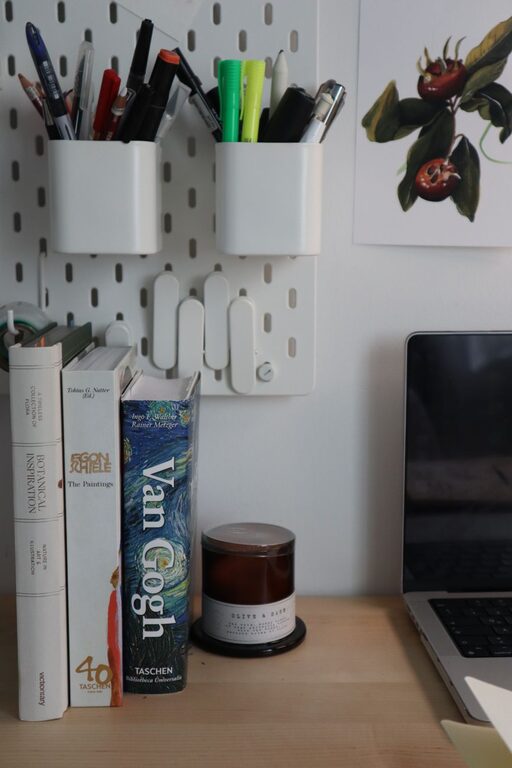
Reducing household paper clutter can transform your living space, making it tidier and less stressful. With bills, mail, children’s schoolwork, and various documents piling up, it’s easy to feel overwhelmed. Fortunately, simple strategies can help you manage and minimise paper clutter effectively. In this post, we’ll explore practical tips to keep paper under control, so you spend less time fussing and more time enjoying your home.
Why Reduce Paper Clutter?
Before diving into solutions, it’s helpful to understand why reducing paper clutter matters. Excess paper can cause:
– Visual chaos, making rooms look untidy
– Difficulty finding important documents when needed
– Increased stress or distraction in a busy household
– Waste of storage space
By tackling paper clutter, you create a more organised environment that supports daily life and can even save time and money.
Step 1: Sort and Declutter Paper Regularly
One of the easiest ways to manage paper clutter is to establish a regular sorting routine.
Create Sorting Zones
Set up designated areas or trays labelled “To Sort,” “To File,” “To Shred,” and “To Recycle”. Every few days or once a week, go through incoming paper and sort it quickly.
Decide What to Keep
Be selective about what you keep. Important documents like birth certificates, tax papers, warranties, and insurance policies should be kept. Everything else, such as junk mail, outdated receipts, or duplicates, can be recycled or shredded.
Use the One-in, One-out Rule
For every new piece of paper that comes in, try to remove one item from your storage. This helps prevent your piles from growing.
Step 2: Go Digital Where Possible
Technology offers great tools for reducing physical paper.
Scan and Store Important Documents
Use a scanner or a scanning app on your smartphone to create digital copies of vital documents. Store these securely on your computer or cloud storage, backed up regularly.
Opt for Paperless Billing and Statements
Switch to digital billing and bank statements to reduce the amount of mail that arrives. Most companies offer this option via their websites or customer service.
Use Digital Note-taking Tools
Replace sticky notes and paper memos with apps like Evernote, Microsoft OneNote, or simple smartphone notes.
Step 3: Organise Paper Efficiently
Even when you keep paper, good organisation reduces clutter and makes retrieval easier.
Invest in Filing Systems
Choose filing cabinets, desktop organisers, or boxes labelled clearly by category—such as Bills, Receipts, Schoolwork, and Manuals.
Use Colour Coding
Assign different colours of folders or labels to specific categories to locate items quickly.
Purge Files Annually
At least once a year, review your files and discard anything no longer needed, following your local regulations for document retention.
Step 4: Control Incoming Paper
Stopping paper clutter before it starts is a smart approach.
Unsubscribe from Unwanted Mail
Visit services like the Mailing Preference Service (MPS) in the UK to reduce unsolicited mail.
Consolidate Subscriptions
Keep only essential magazines or newsletters and consider switching them to digital editions.
Encourage Household Members to Be Mindful
Teach everyone in your home to handle mail and school papers responsibly by sorting immediately and avoiding piles.
Step 5: Use Simple Storage Solutions for Temporary Paper
Sometimes you need short-term storage that keeps paper under control.
Use a “Paper Tray” or Inbox
Designate a tray, basket, or folder near the house entrance or kitchen to collect mail and papers temporarily.
Set Daily or Weekly Processing Time
Make it a habit to clear this temporary storage regularly, sorting or discarding items as appropriate.
Step 6: Recycle and Dispose Responsibly
Knowing how to get rid of paper correctly helps maintain a clutter-free home.
Shred Confidential Paper
Use a cross-cut shredder for sensitive documents before recycling to protect personal information.
Recycle Paper Promptly
Have a clearly marked recycling bin for paper, emptied regularly.
Bonus Tips for Special Paper Types
Children’s Artwork and School Papers
Be selective about which pieces to keep. Photograph or scan favourites and create digital albums or printed photobooks to save space.
Receipts
Keep only recent receipts or those related to warranties and returns. Use apps that scan and archive receipts digitally.
Conclusion
Reducing paper clutter is achievable with a little planning and consistency. By sorting regularly, going digital, organising well, controlling incoming paper, and recycling properly, your home will feel calmer and more organised.
Start with one or two of these tips today, and you’ll soon notice the benefits of a clutter-free paper system that works for you and your family.